Artworks by Valentina Lucarini Orejón
— Artist statement
I grew up in a foundry. Not as a metaphor. Literally. Before understanding what sculpture is, I understood the fascination of transformation — the moment liquid becomes solid and takes the shape of the impression inside the earth, heat withdraws and leaves something permanent behind: this is how matter transforms.
My work on contemporary ex-votos cast in lost-wax bronze begins there. Lost-wax is not merely a technique: it is a process in which something burns to make room for something else. The wax disappears; the bronze remains. There is already a votive act in that gesture — substitution, sacrifice, the offering of a form to impermanence.
That sensory grammar was the first language through which I learned to read the world, and it remains the deep structure of everything I make. I did not learn it — it was gathered by my senses, before my mind; a knowledge that settles in the body through exposure, through skin, and becomes the plastic grammar and symbolic language of my work. A language that comes from far back — from early childhood, when I filled notebooks with hands, heads, feet, always with a ballpoint pen. Parts. Only and always parts. Today, on the wax, before the fire, I engrave. Hearts, eyes, hands. Small votive marks on a skin destined to disappear. The bronze holds them, preserves what I inscribed on a body that no longer exists. A hand inside a hand. A heart inside a heart. The votive inside the votive.
When, as an adult, I recognised the ex-voto at the centre of my work, I was not discovering a new language. I was naming something that had always moved through me — only now I expressed it through a new voice and a new alphabet: crucibles, earth moulds, the steam of molten bronze, the hiss of furnaces, the smell of wax, the heat of the crucible, the taut silence of the minutes before the pour. And the shelves. Hands, feet, heads, casts, fragments, relics. That place was already a Wunderkammer before I knew what one was.
I work the matter in which the sacred takes form. Devotion and abandonment. Intimacy and matter that endures. Lived anthropology. A secular animism, Italian and Spanish. The body as archive, matter as memory.
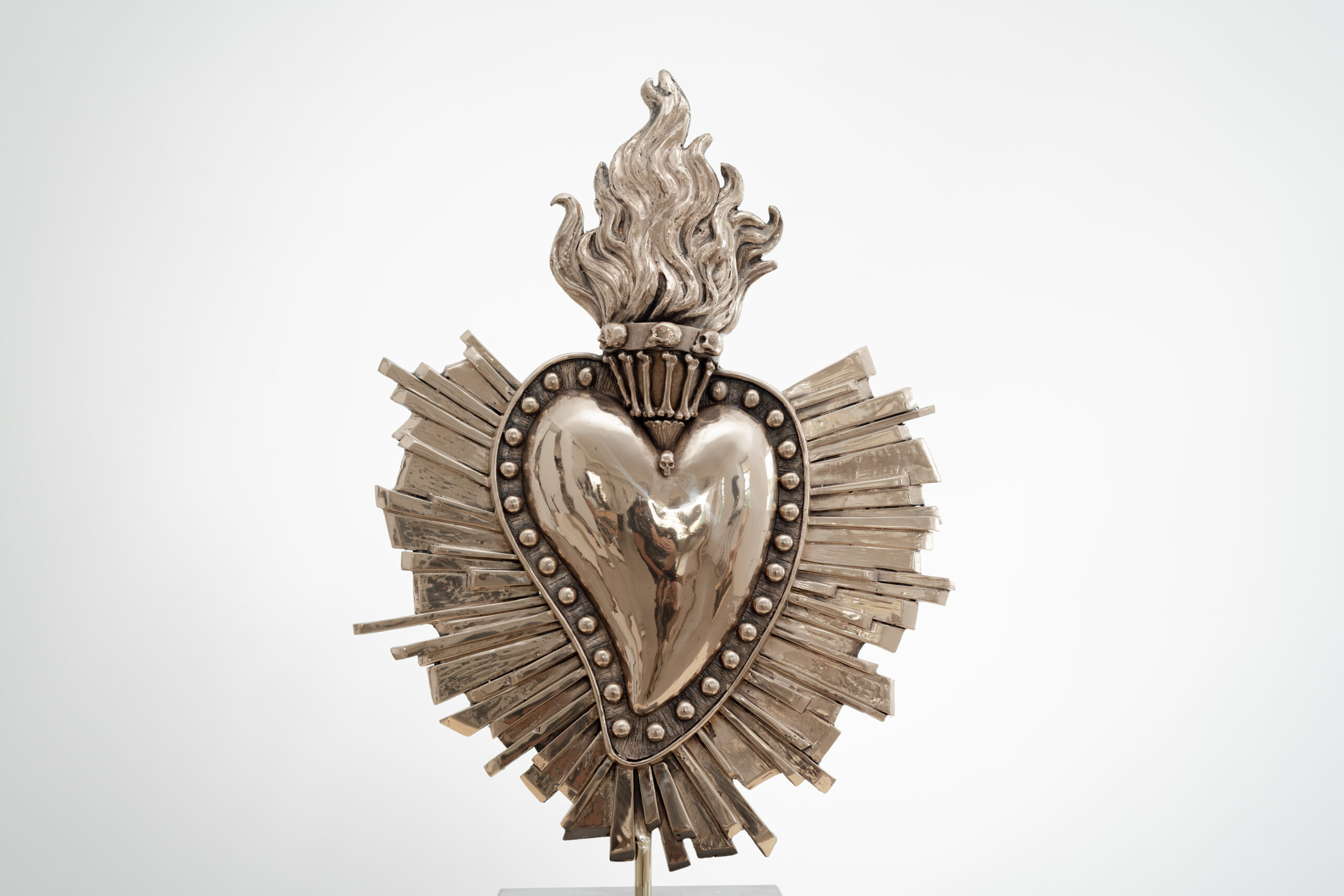
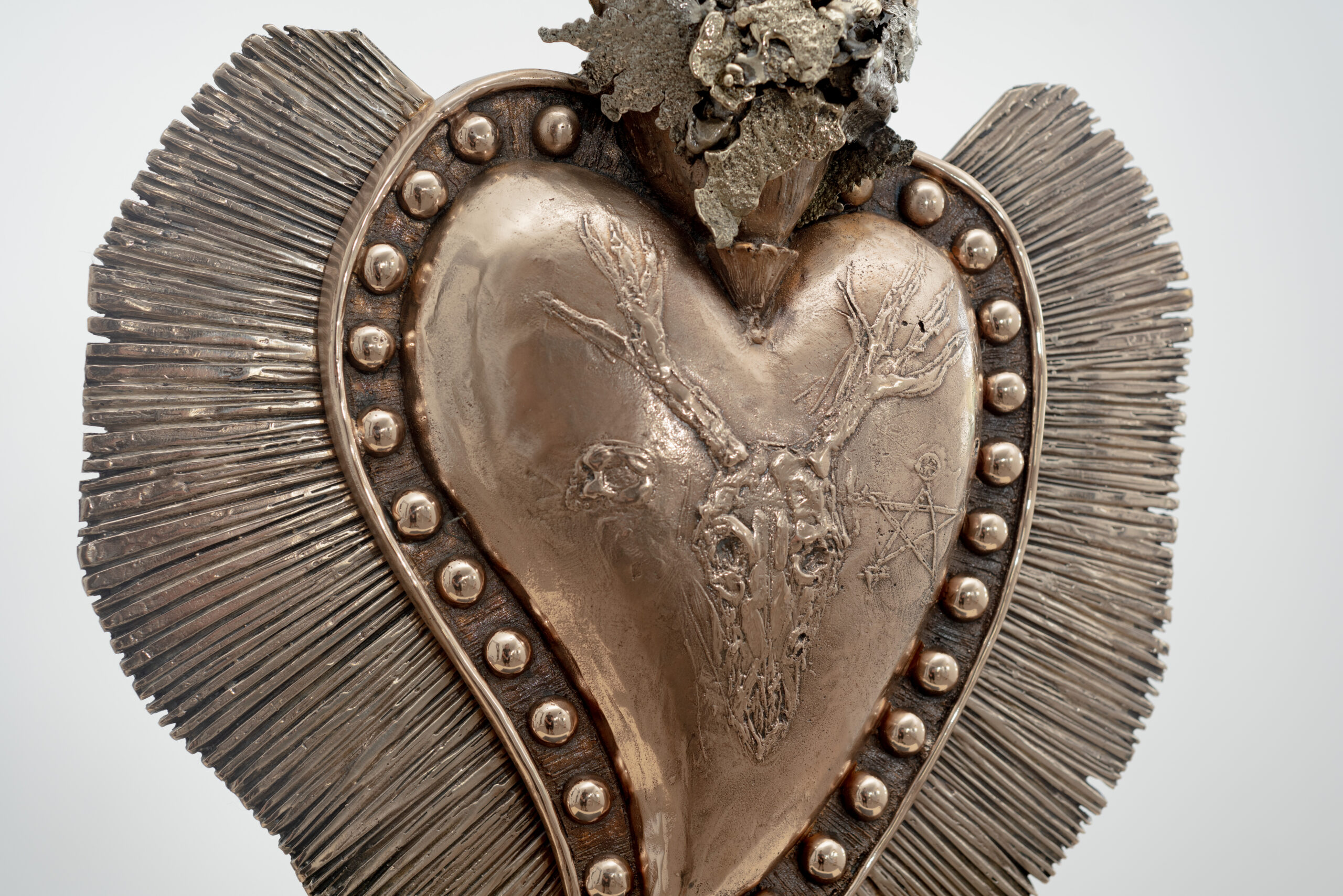
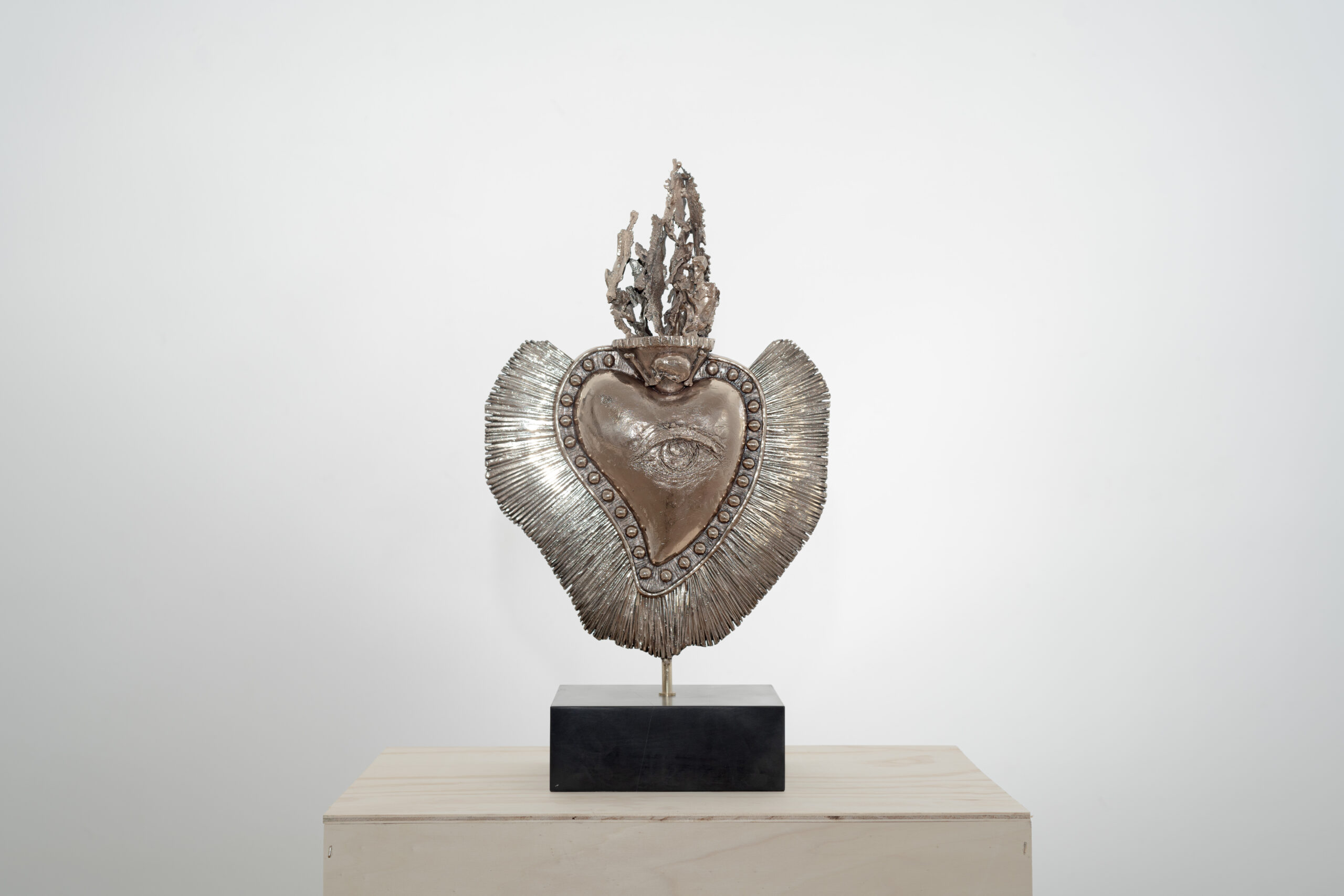
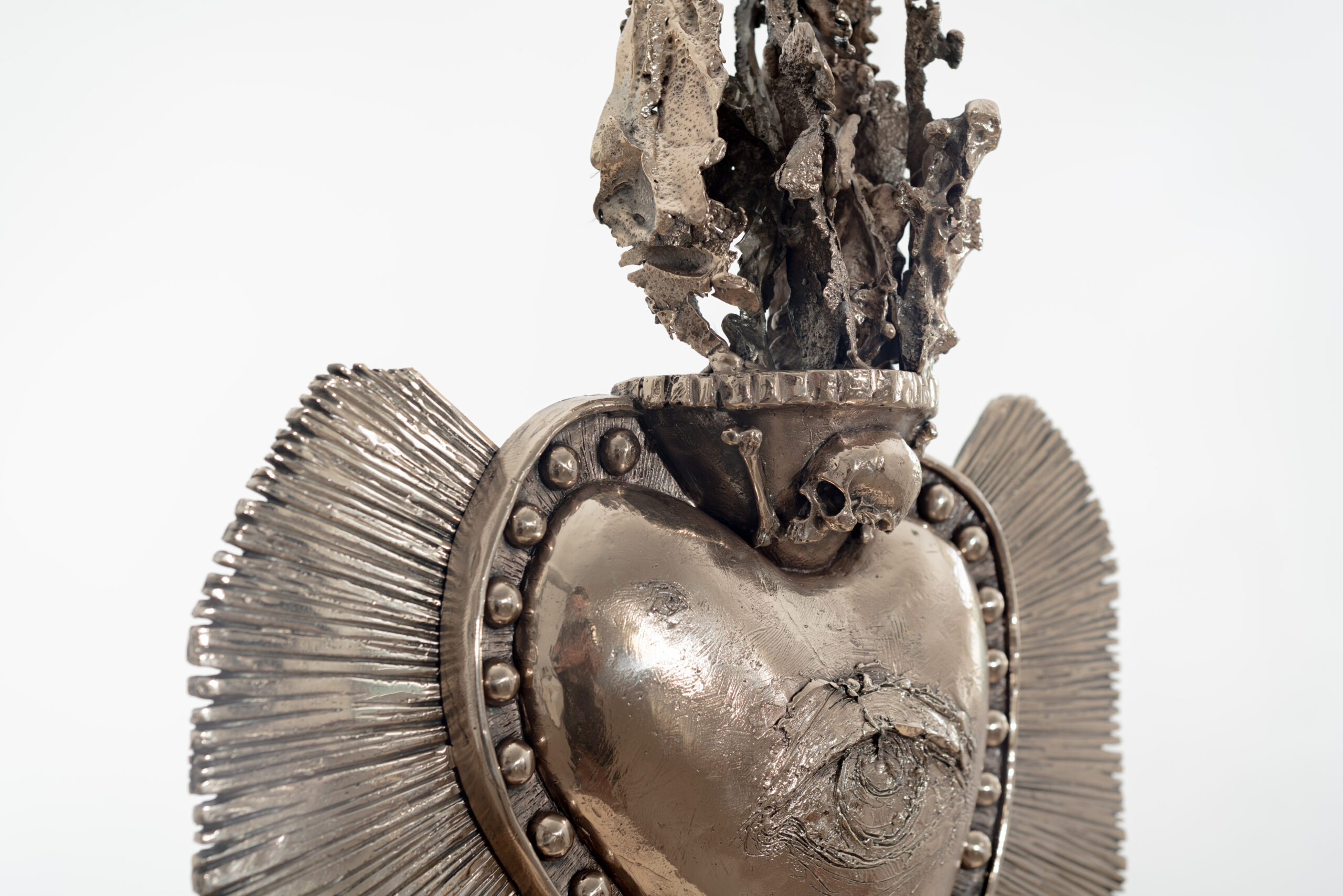
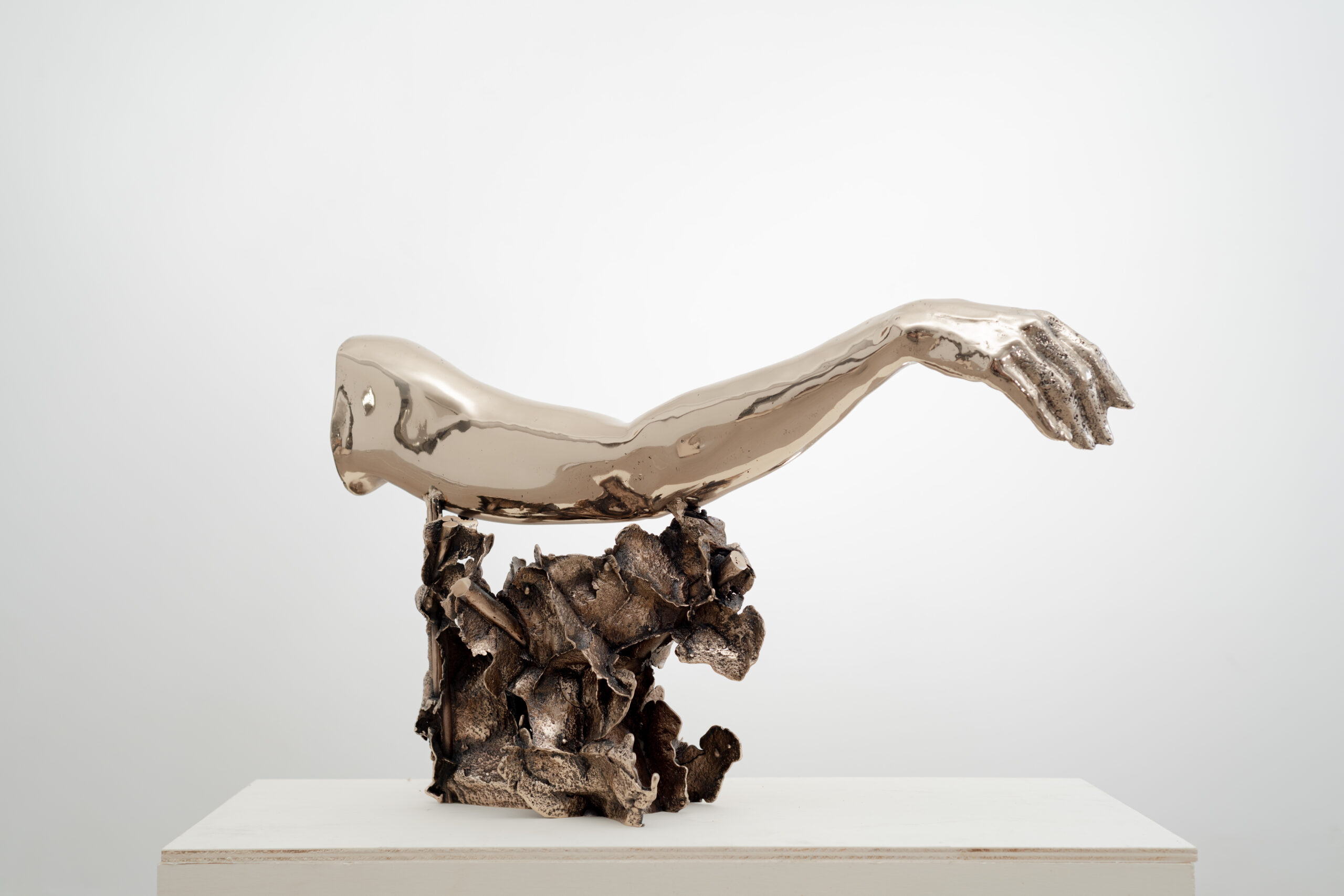
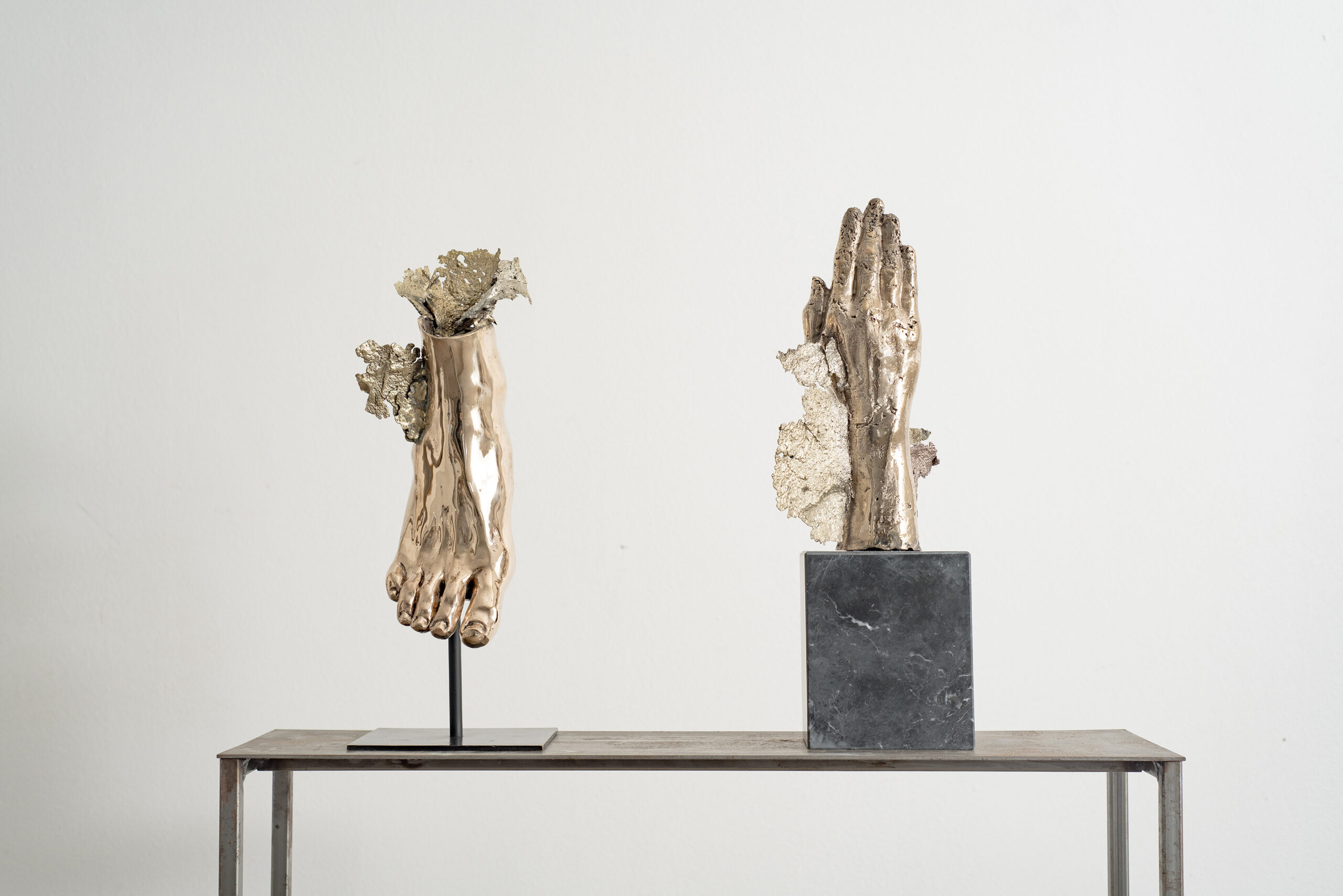
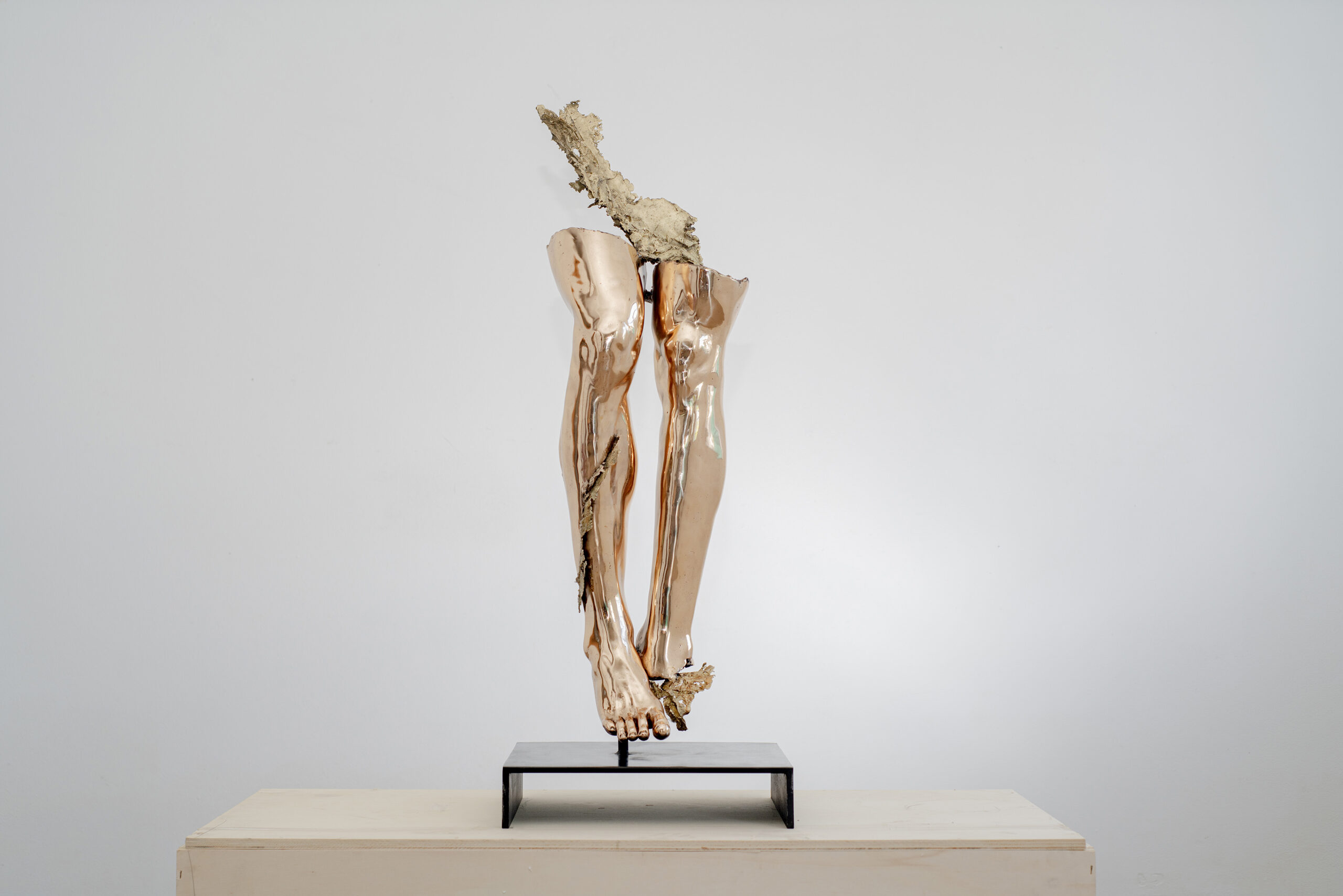
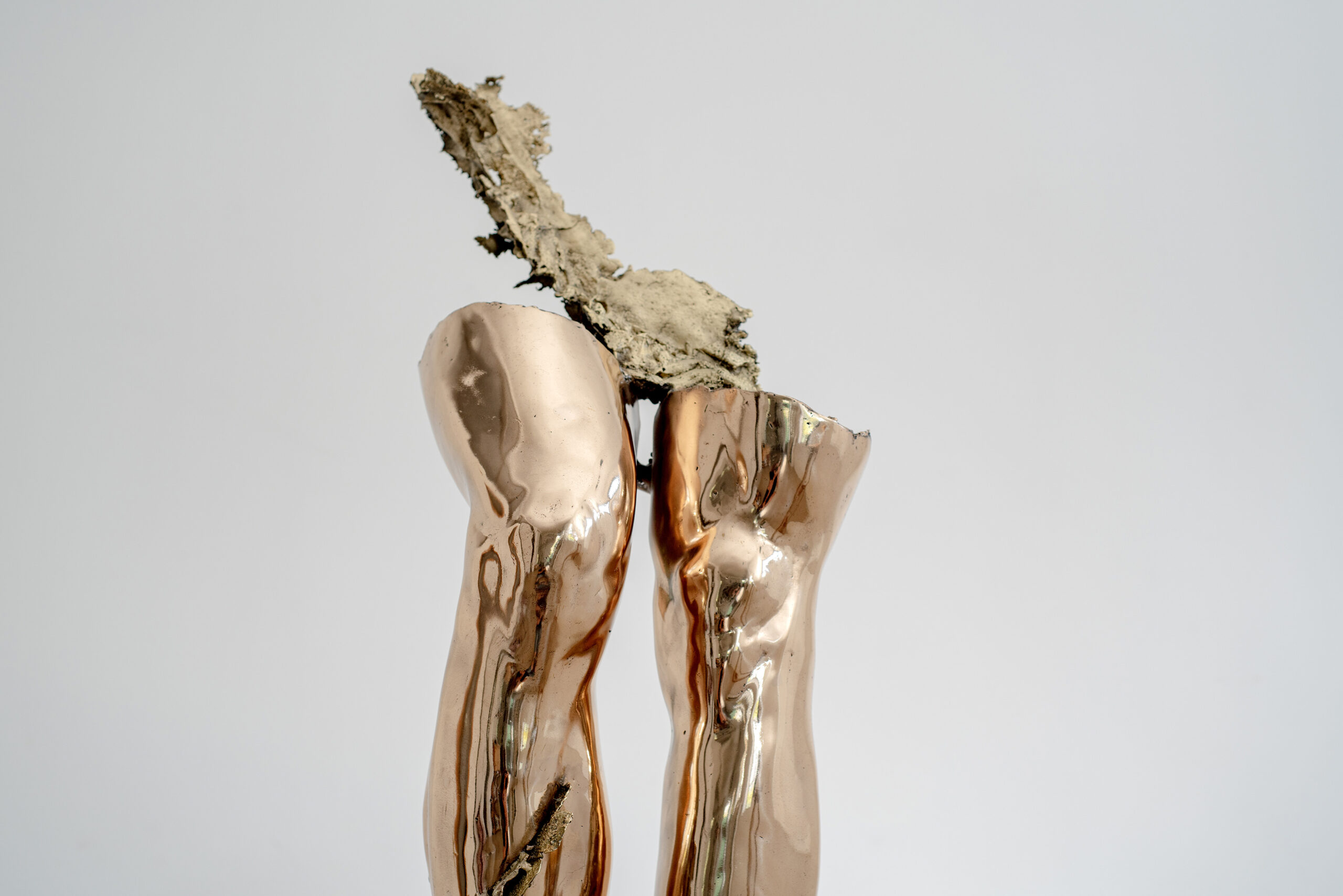
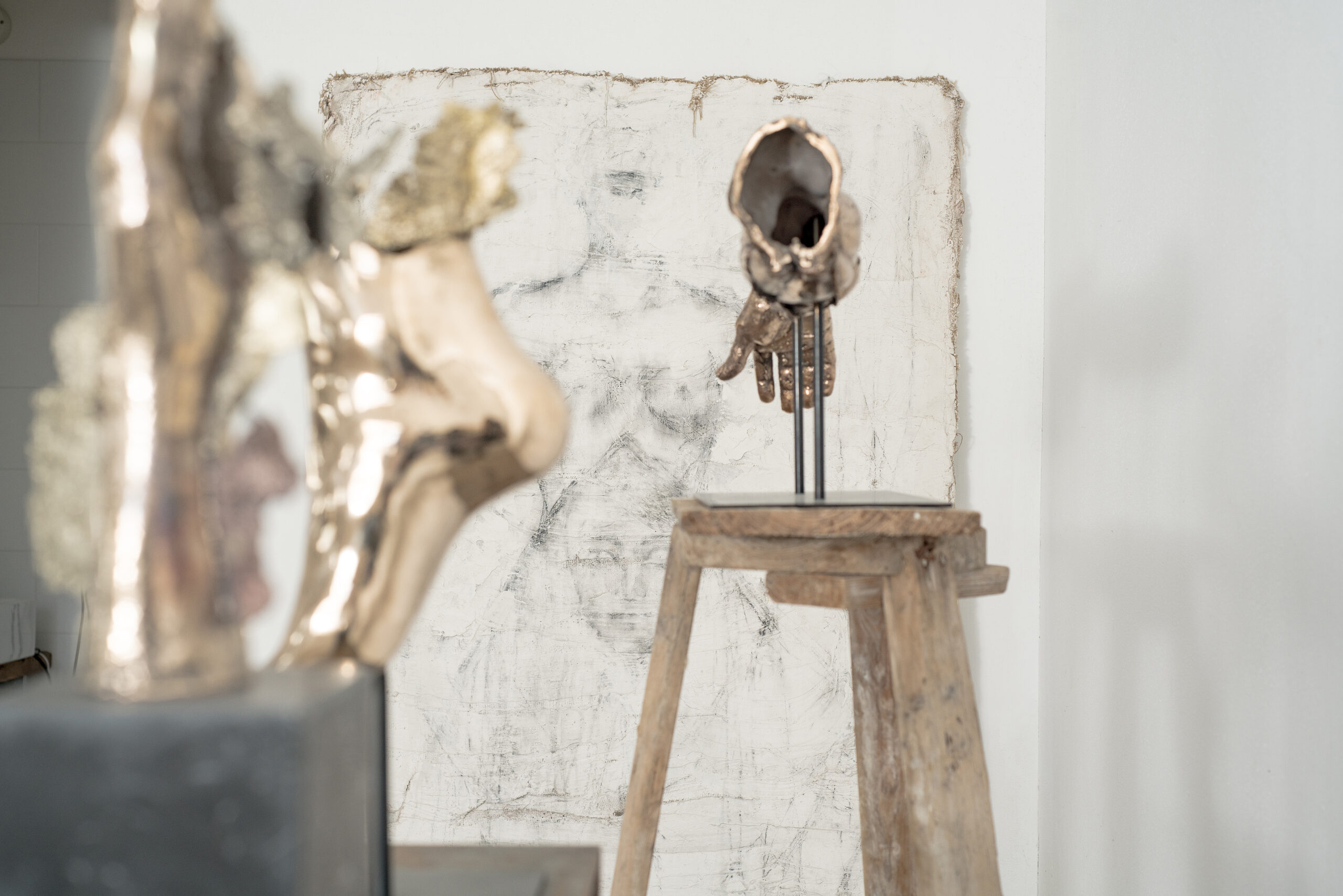
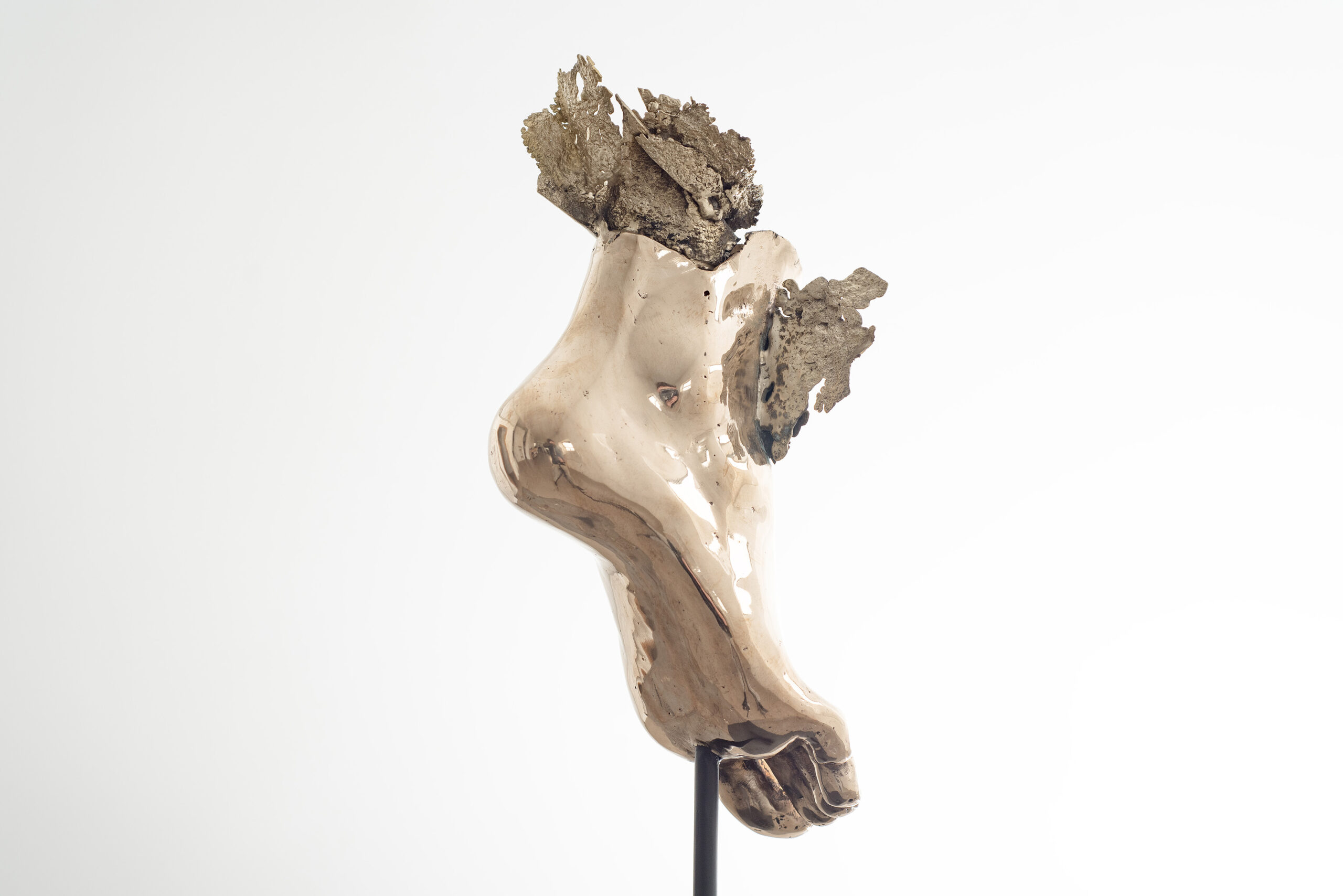
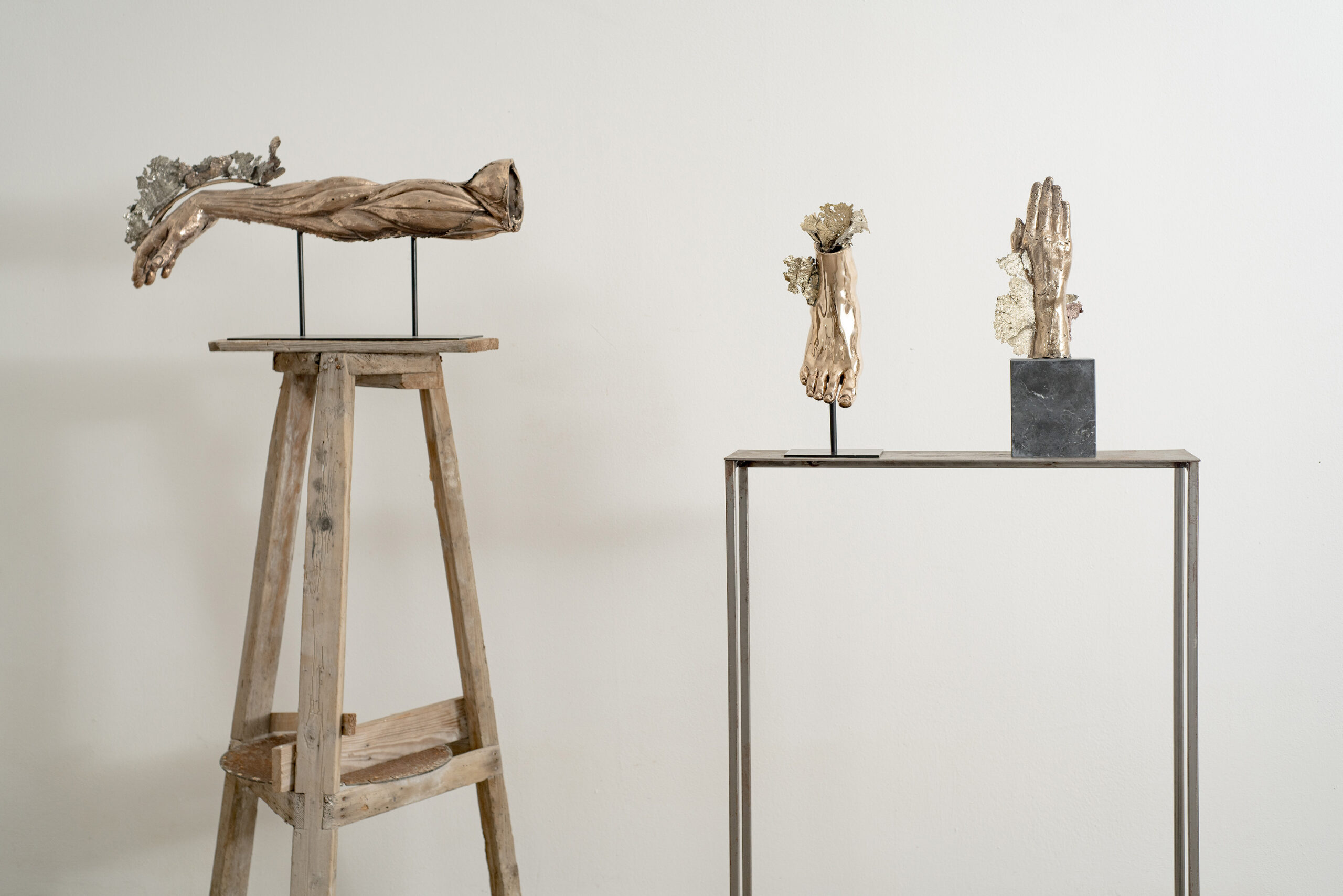
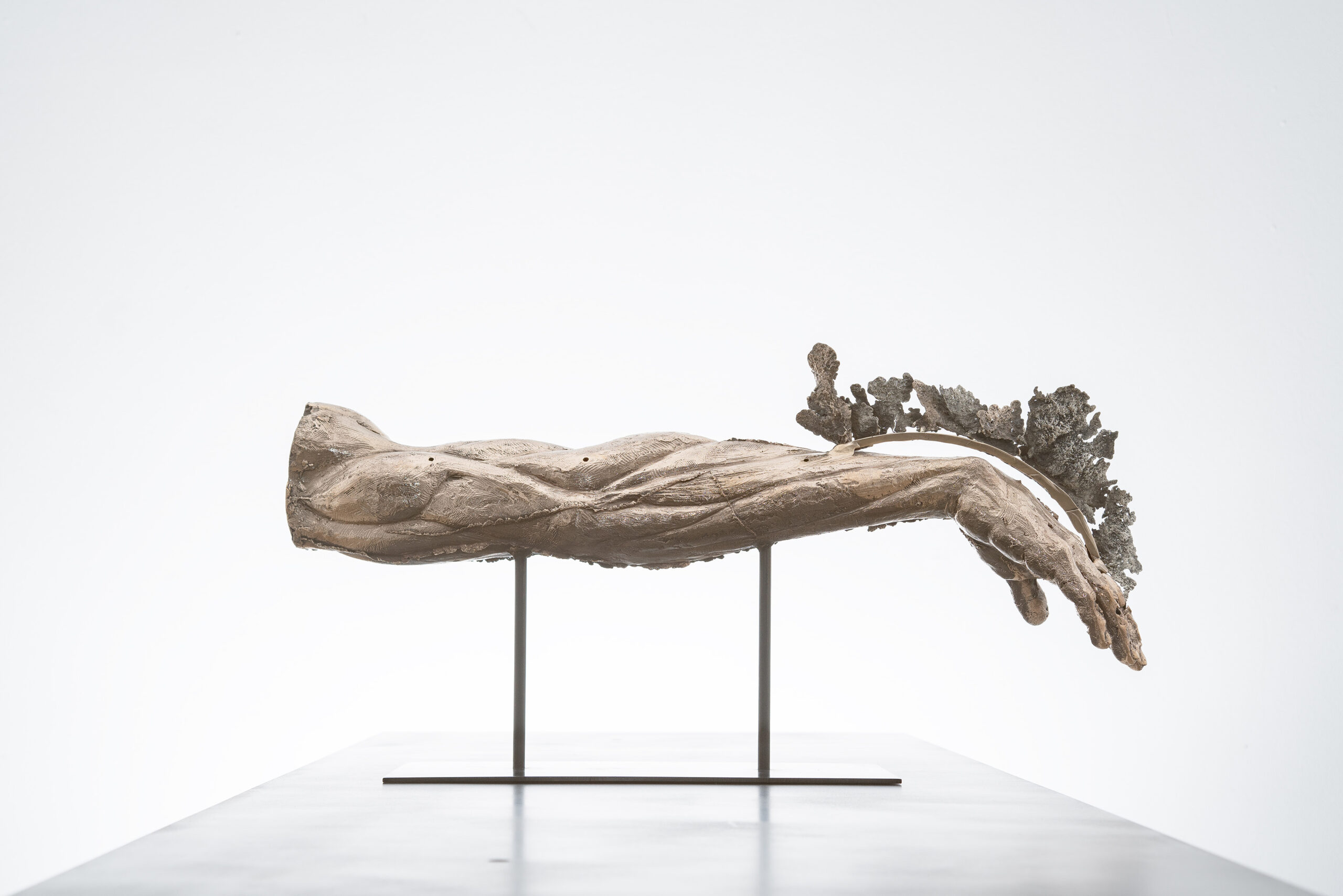
From the fire of the foundry, a body rises: fractured, intimate, eternal. An act of devotion cast in bronze — offered not whole, but holy. Between the sacred and the abandoned, a new ex-voto takes form. This is not ruin — it is relic.